

Allyship in action – supporting environmental human rights defenders
Across the world, land and environmental human rights defenders are among the most at-risk groups of defenders.
They face escalating violence, intimidation, criminalisation and even murder for speaking out against the harmful impacts of agribusiness, extractive industries, logging, infrastructure and energy projects.
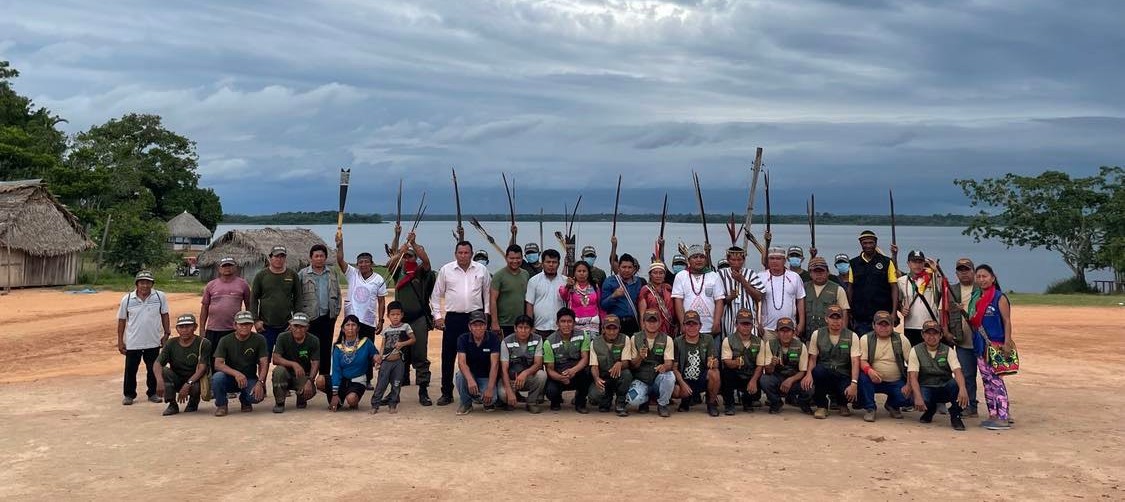
The collective response of Indigenous Peoples was stressed by Colombian Indigenous women leaders in an exchange on extractive industries they held with Canadian Indigenous Peoples.
“Violence has become normalised in an alarming way, and so the elders say ‘I’d rather die speaking out than die in silence.’ Territory is defended, protected, and safeguarded collectively by communities and leaders who raise their voices... we have strengthened our defence mechanisms ... revitalising our Law of Origin and establishing our Indigenous Guard."
Globally every year, the number of attacks and killings is staggering. Between 2012 and 2024, at least 2,100 environmental human rights defenders were killed, with Indigenous Peoples bearing a vastly disproportionate burden, accounting for over 40 per cent of all killings. In 2025 alone, the Business and Human Rights Centre documented 790 attacks against defenders raising concerns about business, across 80 countries, 30 per cent of them against Indigenous Peoples.
At FPP, we are clear: Indigenous Peoples are land and environmental human rights defenders. Every community we stand alongside is defending their rights, their lands, and their ways of life. Their struggles to secure land rights, ensure free, prior and informed consent (FPIC), and exercise self-determination are not only about protecting forests – they are acts of collective human rights defence.
Given the disproportionate extent to which Indigenous Peoples and their representatives are victims of violence and criminalisation, and the profound impact this has on their struggles to protect territories and life, the rapid response and reactive support we provide through the FPP Strategic Legal Response Centre (SLRC) are vital to the communities we work with.
However, to disrupt the cycle of violence, reactive responses alone are not enough. Prevention is key. This means supporting peoples’ and communities’ self-determined protection mechanisms while also tackling the structural causes of violence which include discrimination, insecure collective land tenure, and the failure of states and corporations to respect FPIC and self-determination.
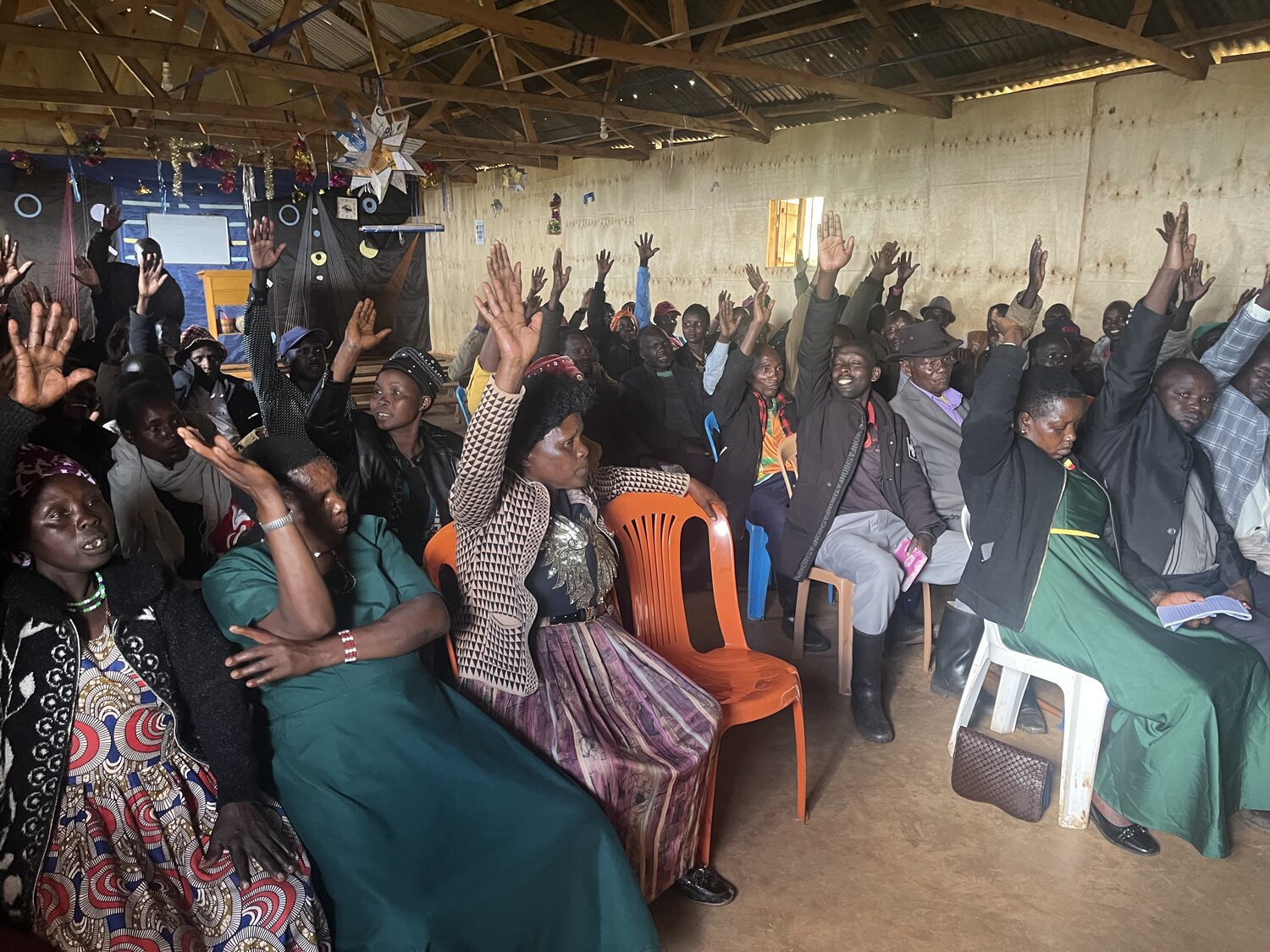
Research and lived experience show that the most effective ways to prevent attacks on Indigenous rights defenders combine two long-term allyship strategies, which our Strategic Legal Response Centre supports:
- self-determined, community-led and community-controlled territorial protection mechanisms, with solidarity, network building and exchanges between Indigenous Peoples
- sustained advocacy to tackle discrimination against Indigenous Peoples, secure land rights, advance gender justice, and strengthen community governance systems.
FPP’s work is fundamentally about protecting and supporting environmental human rights defenders. Every action described in our Strategic Framework Plan 2025–2030, whether advancing land rights, strengthening FPIC, amplifying Indigenous voices, or promoting gender justice, is an allyship strategy to protect and support them. This is reflected in our four strategic outcomes:
Outcome 1: Strong Peoples and Communities contributes directly to rapid response support and self-protection mechanisms by strengthening community governance.
Outcome 2: Just, Diverse and Sustainable Economies challenges exploitative economic models that drive land-rights violations and promotes self-determined alternatives.
Outcome 3: Effective, Accessible and Just Legal Systems drives compliance with human-rights obligations, including land rights and FPIC, through legal empowerment and strengthening Indigenous and customary law.
Outcome 4: Resilient Networks and Movements builds solidarity and facilitates sharing of lessons learned and mutual support between Indigenous Peoples defending their territories and ways of life.
“Defending life can cost us our lives. We all need to unite our spiritualities—rooted in our own territories—to defend Mother Earth as a single, unified whole.
Zero Tolerance Initiative
The Zero Tolerance Initiative (ZTI), founded and hosted by FPP, lies at the heart of our approach to protecting environmental human rights defenders and complements our Strategic Legal Response Centre. ZTI is a global network led by rightsholders from the Global South, dedicated to building international solidarity and collective actions to end attacks on environmental human rights defenders. It promotes collective protection strategies and advocates for a zero-tolerance approach from corporations to such abuses.
Indigenous Peoples and forest peoples the world over have developed their own collective protection systems to resist violence, criminalisation and displacement, the Indigenous Guard being one example. These community-led approaches to collective protection must be supported and strengthened, building on the knowledge, capacities and strategies communities already have. They need agile and flexible funding, prioritising long-term community resilience. ZTI has an urgent response and prevention fund that does this. It is the only such fund that is both created and managed by environmental human rights defenders.
The need for such support and allyship is more urgent than ever. As noted by the Colombian Indigenous women leaders “Defending life can cost us our lives. We all need to unite our spiritualities—rooted in our own territories—to defend Mother Earth as a single, unified whole.”
Información General
- Tipo de recurso:
- News
- Fecha de publicación:
- 15 julio 2026
- Programas:
- Centro de Respuesta Legal Estratégica (SLRC)
