
Forest Peoples Programme at London Climate Action Week 2026
During London Climate Action Week, Forest Peoples Programme (FPP) will be accompanying several of its partners. Below, you will find biographies of the Indigenous leaders and representatives who will be joining us throughout the week.
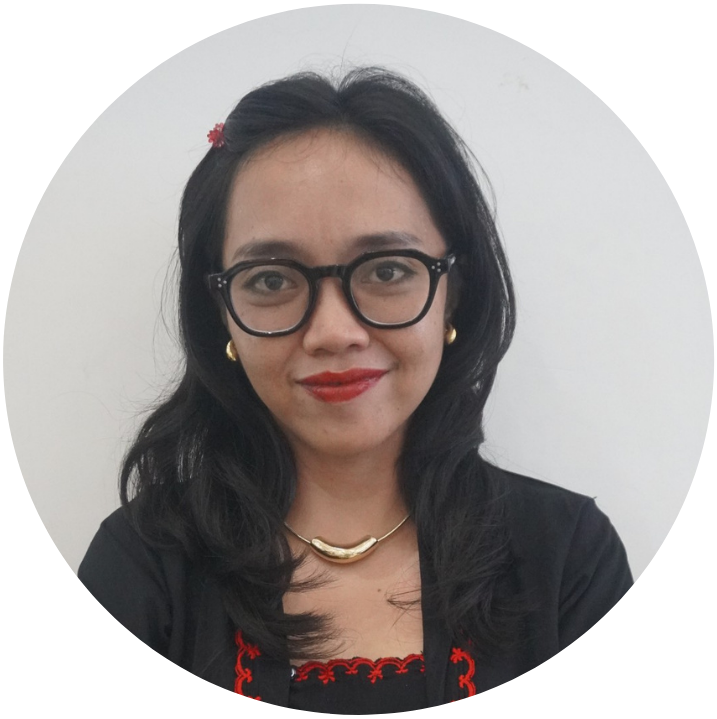
Pramasty ayu Koesdinar (Dinar)
Redjang (Indonesia) | AKAR Global Initiative
Dinar is a feminist organizer and researcher from Bengkulu, Sumatra, Indonesia, who works with grassroots and Indigenous women defending forest, coastal, and agricultural commons across Indonesia. Through more than a decade of community organizing, agrarian research, and coalition building at Akar Global Inisiatif, she has documented how women's everyday practices of land stewardship, collective care, and cultural knowledge form the living threads of an alternative economy — one that has sustained people and ecosystems long before it had a name.
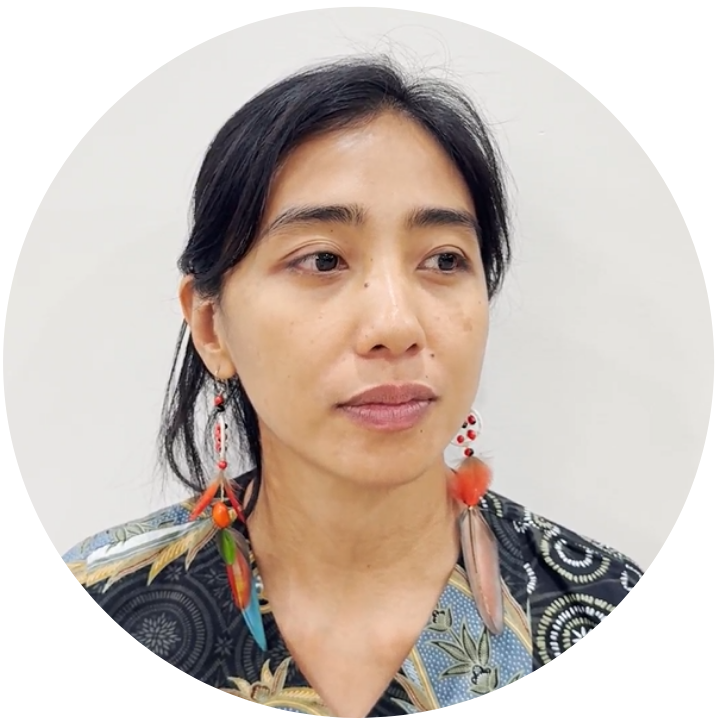
Joyce Godio
Philippines | Independent consultant-researcher
Joyce is an Indigenous Filipina advocate for social justice with extensive experience in project management, global advocacy coordination, research, training facilitation, and strategic support for land and human rights defenders. She works at the intersection of documentation and evidence-based policy advocacy, centring the voices of Indigenous Peoples in global conversations on rights, climate, and nature. She has recently conducted research informing the report Valuing Allyship, a Forest Peoples Programme briefing paper drawing on the perspectives of longstanding Indigenous partners to explore what transformative, relationship-based support actually looks like in practice.
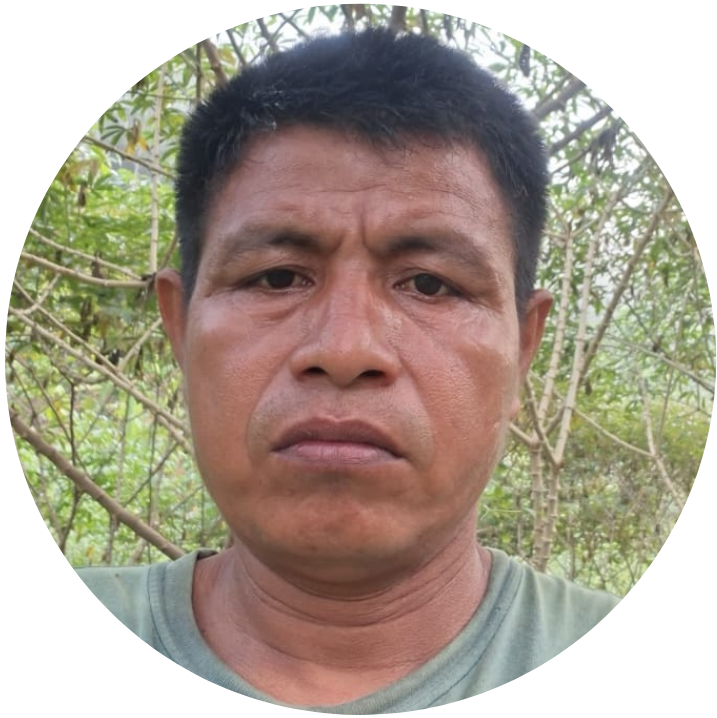
Quiminston Apagueño Ojanama
Kichwa (Peru) | Federación de Pueblos Indígenas Kechwas del Bajo Huallaga de la Región San Martín (FEPIKBHSAM)
Quiminston Apagueño Ojanama is a leader of the Kichwa people and a native of the Ishkay Urmanayuk Tununtunumba indigenous community, in the district of Chazuta, San Martín province and region, in the Lower Huallaga basin, Peru.
He currently holds the position of president of FEPIKBHSAM, which has 10 affiliated Kichwa indigenous communities. Apu Quiminston has been leading his communities’ struggle to secure legal recognition of their ancestral territories from the State, as well as challenging the colonial and exclusionary conservation model of two protected natural areas that have been infringing upon Kichwa territorial rights.
Quiminston has a long track record as a leader in the defence of indigenous rights, having previously served as head of his community and also held a position within the Coordinating Committee for the Development and Defence of Indigenous Peoples of the San Martín Region (CODEPISAM), the regional branch of the Inter-Ethnic Association for the Development of the Peruvian Rainforest (AIDESEP).
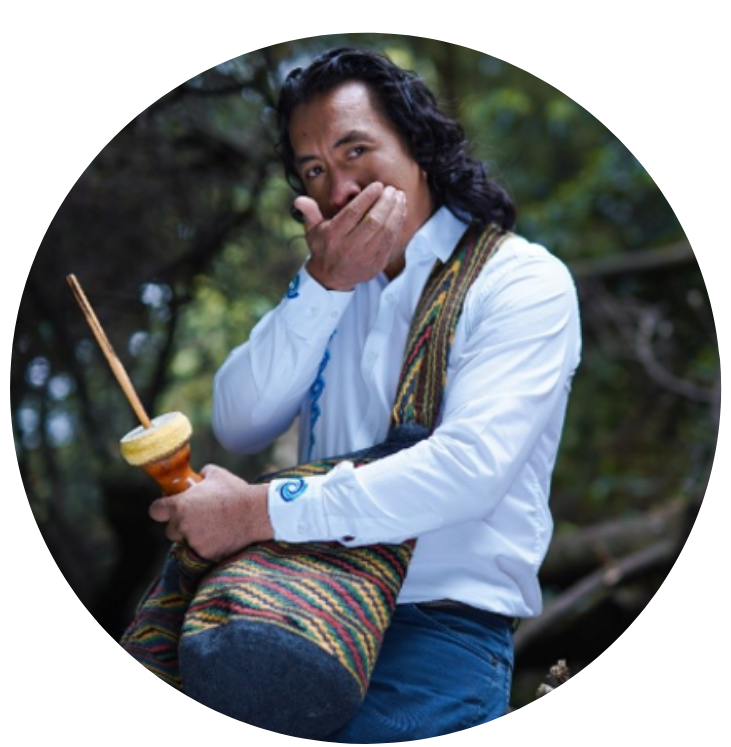
Camilo Niño Izquierdo
Sierra Nevada de Santa Marta, Colombia | National Commission on Indigenous Territories (CNTI)
Camilo is an Arhuaco Indigenous leader from the Sierra Nevada de Santa Marta. He is an ecologist who career has focused on defending life, Indigenous territories, and nature, promoting the role of Indigenous Peoples as key actors in addressing climate change and environmental crises.
Since 2024, he has served as the Technical Secretary of CNTI where he coordinates actions to protect the territorial rights of Colombia's 115 Indigenous Peoples. He also leads the observatory on the Territorial Rights of Indigenous Peoples, which provides technical input for the design and implementation of public policies aimed at protecting territories and their defenders. He has extensive experience in territorial rights, environmental justice, human rights, and nature conservation, as well as a solid understanding of national and international legislation on Indigenous rights. His work has contributed to strengthening territorial defence, biodiversity conservation and climate action.
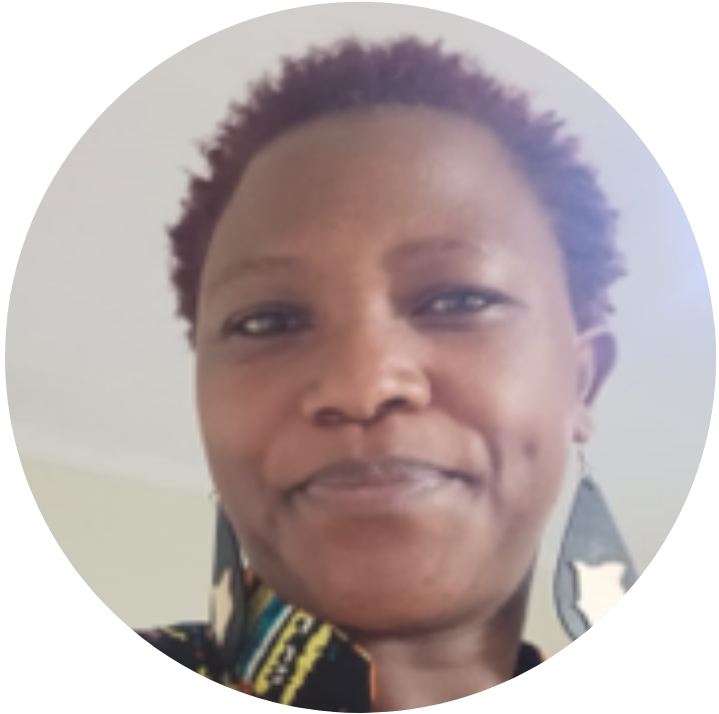
Teresa Chemosop
Mount Ogiek (Kenya) | Chepkitale Indigenous People’s Development Project (CIPDP)
Teresa Chemosop is an Indigenous hunter gatherer woman from the Ogiek community that lives on the slopes of Mt Elgon in Kenya. She is the coordinator of the East Africa Indigenous Women Led Assembly (EAIWA), comprising of Pastoral and Forest communities from four countries from East Africa. The Assemblies support women to share their experiences on issues of human and land rights, environmental dignity and economic empowerment. For Indigenous communities in the Assembly the economy is not just about money or markets, it’s about sustaining life, care for one another and remaining connected to our lands.
“The lands are our forests, our herbariums, our great plains and where we sustain our culture. It’s about unlearning what is not working for us and shifting power towards locally rooted solutions that begin to heal and sustain the planet and people. Across our communities, we are saving Indigenous seeds, embracing agroecology, bee and livestock keeping, making herbal medicines, handcrafts, sharing labour. Indigenous people have also developed a strategy of using songs in their quest to fight for climate justice and their survival. These songs carry powerful messages to the rest of world. By weaving these threads together, we are building an economy rooted in care, reciprocity, and relationship with nature instead of extraction and exploitation. We believe that sustaining people and sustaining the planet cannot be separated, and that Indigenous ways of living already carry many of the answers the world is searching for.”
Contact Information
Interview requests can be sent to Louise Sherwood at [email protected] | +44 7907 995041
Información General
- Tipo de recurso:
- News
- Fecha de publicación:
- 16 junio 2026
