
‘Hidden hunger’ triggers women in Sumatra to recuperate traditional crops
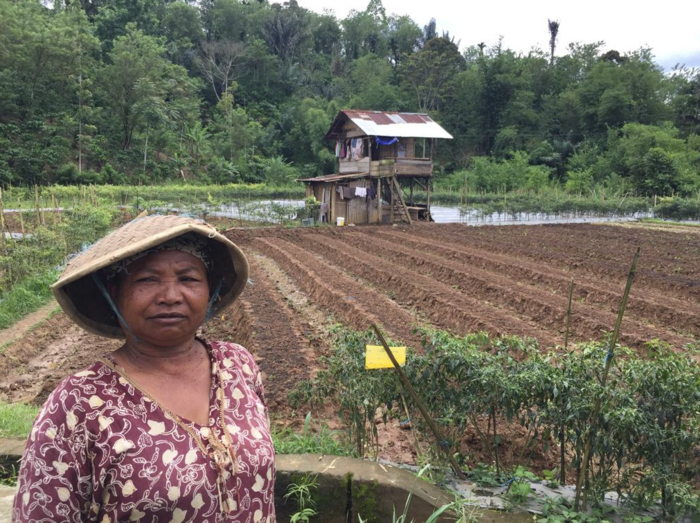
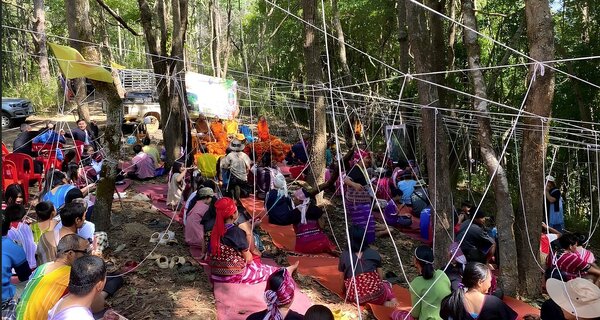
Women in South Sumatra, Indonesia, have begun to grow their own organic food – in their yards, on village land and in community forests – following a startling revelation that dietary changes were stunting their children’s growth.
The women are from farming households in the Rejang Lebong district of Bengkulu – households that were granted permits under social forestry schemes between 2009 and 2015 to manage and make use of community forests.
These women once sourced all their household food from the forest. But, to meet the demands of the market, their farming husbands have shifted from agroforestry to growing homogenised agricultural products or commodities, leaving the women with no access to nutritious food sources.
Recent research by the Bengkulu-based Akar Global Initiative on the well-being of these farming families focused on the women and children, whose needs and interests tend to be marginalised by forest management policies. Several children were found to be suffering from malnutrition and many women were experiencing obesity and high blood pressure. This form of malnutrition, in which a person gets enough calories but lacks essential nutrients, is known as ‘hidden hunger’. A change in women’s tastes was also detected – from sour, spicy and sweet to savoury.
Looking after the land is the key for food security. By growing their own organic food, the women are not just ensuring they have a source of healthy food options. They want to demonstrate that if women are not involved in land management the consequences can be profound.
While Akar is supporting the women, ensuring they have the skills and capacity to manage their food gardens, the initiative is entirely led by the women.
A pilot project has been extended to two coastal villages, managed by three groups of fisherwomen, and to 10 villages in the forest region, seven of which are managed by Redjang Indigenous women’s groups.
In total, Akar has already supported 28 women’s groups in Bengkulu, with FPP helping consolidate the groups and building solidarity among the women.
Akar’s next steps are to strengthen evidence, expand to more villages, and secure sustainability. Strong evidence of nutritional outcomes is critical, especially on child growth, dietary diversity and women’s health.
The long-term goal is a more resilient local food system, reduced dependence on markets, and better health conditions for women and children.
Información General
- Tipo de recurso:
- News
- Fecha de publicación:
- 1 octubre 2025
- Región:
- Indonesia
- Programas:
- Cultura y conocimientos
- Socios:
- Akar Global Inisiatif
Noticias relacionadas