
Twenty years of engagement with the Roundtable on Sustainable Palm Oil (RSPO), some reflections on progress
Written by Marcus Colchester, Senior Policy Advisor, FPP.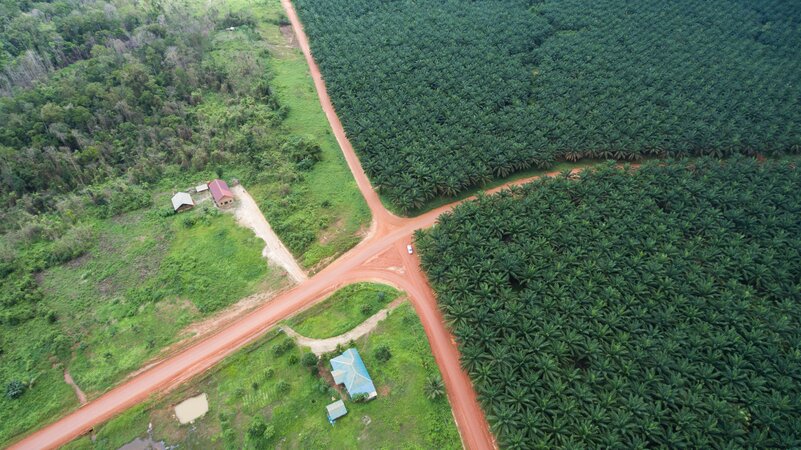
At the end of 2025 Marcus Colchester, FPP’s founder, and Senior Policy Advisor, stepped down from the RSPO board. Here, he reflects on his twenty years of engagement with the RSPO.
Oil palm remains one of the world’s most controversial and lucrative crops. Its social and environmental impacts are often severe: requiring vast areas of tropical forest to be cleared to make way for plantations, causing rapid land use change, biodiversity loss and many other environmental harms.
Well-documented social problems caused by oil palm monoculture include, amongst others, the displacement of communities, widespread land conflicts, exploitative labour conditions, food shortages and the denial of the rights of Indigenous Peoples.
RSPO was legally established in 2004 and Forest Peoples Programme began working with it that year as a human rights advisor to the Indonesian NGO, Sawitwatch. By 2013, since we were active on numerous RSPO committees in our own name, we were asked to become a Social NGO member, a role we have maintained ever since. All this work has been funded by grants and none by money from corporations.
Over these years we played a central part in: embedding key social requirements and procedures in RSPO’s performance standards for both companies and smallholders developing norms for upholding rights to customary lands; and Free, Prior and Informed Consent and for protecting Human Rights Defenders; ensuring community engagement in High Conservation Value and High Carbon Stock assessments and; building social safeguards into the ‘Jurisdictional Approach’ – which means making RSPO’s voluntary standard legally-binding in jurisdictions which agree this path.
It’s all quite technical stuff but done right should uphold forest peoples’ human rights and provide mechanisms by which they can hold companies active on their lands to account. In recent years, we have been seeking to persuade RSPO to adopt adequate measures to ensure the credibility and independence of audits (‘quality assurance’) and to adequately address complaints, notably about corporate groups’ ‘shadow companies’ and corruption.
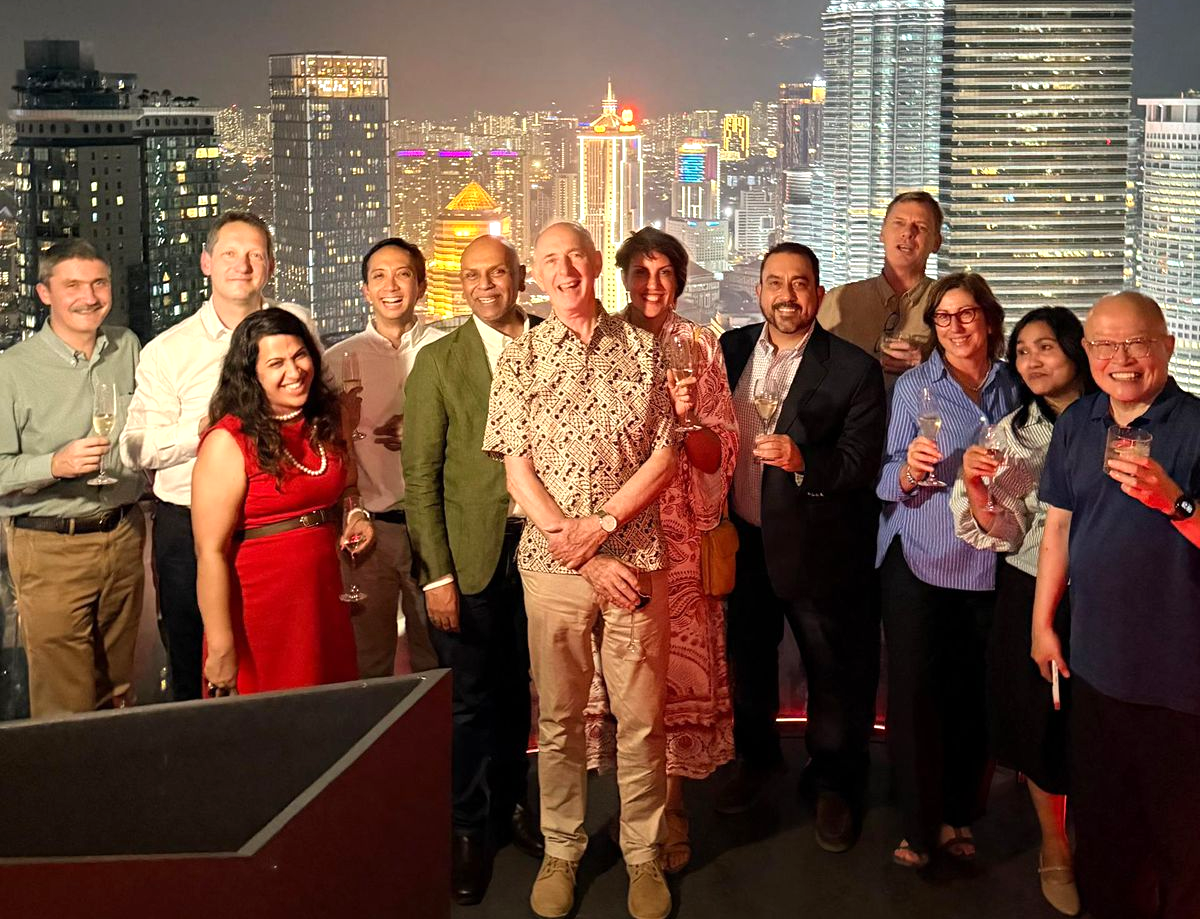
In 2019, I was elected as one of two social NGO representatives onto RSPO’s Board of Governors – a position I fulfilled for 6 years. The role is a very demanding one as the Board is the body that holds RSPO – staff and members – accountable and sets strategy between the annual meetings of the General Assembly of members.
As an active Board member I became involved in solving complex disputes about staff dysfunction, recruiting new CEOs and overseeing the functioning of the numerous membership committees dealing with all those matters listed above and many more. All this involves the art of compromise, as the RSPO is a multi-stakeholder body which seeks to reconcile the views of oil palm planters, palm oil processors, traders, manufacturers, retailers and financiers, as well as social and environmental NGOs. Even when all NGO representatives agree, they are in a minority in decision-making, so they have to be well briefed and persuasive to carry the corporate representatives with them.
The hardest challenge we still face is getting RSPO to up its game so it really upholds its excellent voluntary standards in practice. Even when companies do get found out for failures to adhere to RSPO standards, through audits or complaints, all too often they dodge their obligations by revoking their membership or divesting ‘non-compliant’ estates. RSPO now certifies some 19% of globally traded palm oil.
RSPO now certifies some 19% of globally traded palm oil. Can we say that all this oil is sustainably produced in conformity with the RSPO standard? Unfortunately not. So why do we stay involved? Because up to now our partner NGOs and the peoples we support urge us to stay in. Despite its well documented weaknesses, RSPO remains one of the few means forest peoples have of being heard and getting their rights taken into account.
Información General
- Tipo de recurso:
- News
- Fecha de publicación:
- 10 diciembre 2025
- Programas:
- Cadenas de suministro y comercio
Noticias relacionadas