
World Bank Carbon Project Continues to Disregard Indigenous People’s Rights in Indonesia
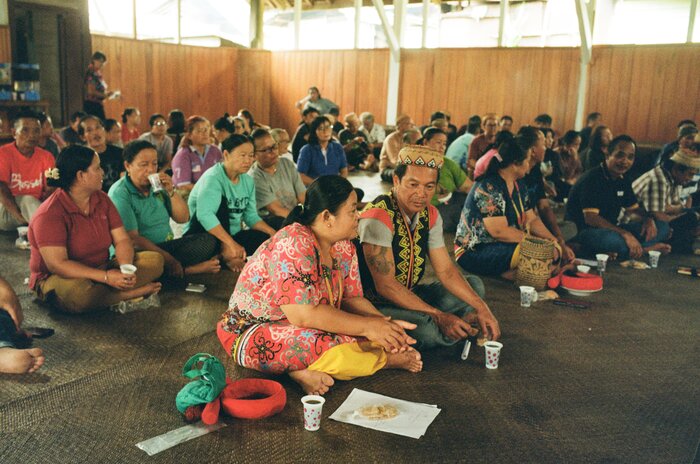
On April 1, the World Bank Inspection Panel decided not to investigate a formal complaint raised by the Indigenous community of Long Isun in East Kalimantan regarding a World Bank funded Emission Reduction Carbon Project operating on their customary territory. For the people of Long Isun, this decision marks a significant setback in their ongoing struggle to protect their forests and assert their rights.
Long Isun’s complaint did not emerge overnight. Since the Project began in 2019, the community has consistently withheld consent. They raised concerns that the Project proceeded without resolving longstanding land boundary conflicts and without securing formal recognition as Indigenous Communities; Masyarakat Hukum Adat (MHA) in Indonesian law. Over the years, the community documented concerns related to failures in Free, Prior and Informed Consent (FPIC), discriminatory benefit sharing, and the continued inclusion of their forest in emissions calculations despite their opposition. Instead of meaningful engagement, the community reports experiencing fraudulent consultation processes, pressure to participate, and continued exclusion from decision making. These concerns ultimately led to the filing of a complaint to the Inspection Panel.
Despite meeting the eligibility criteria, the Panel concluded that the case did not warrant further investigation. For Long Isun, the decision is not simply a procedural outcome, but a part of a broader pattern of decision-making that fails to fully recognise Indigenous People’s rights in large scale carbon initiatives.
A Project That Includes Their Forest but Not Their Consent
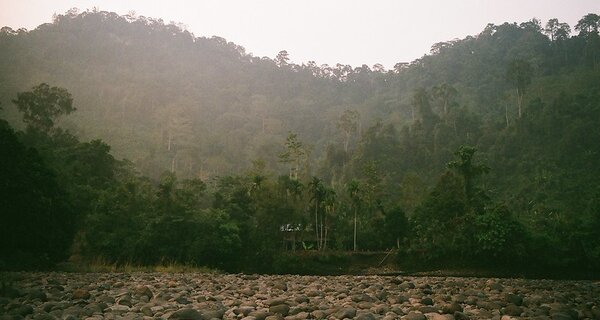
Although Long Isun chose not to participate in the carbon project, their customary forest remains included in the project’s emissions accounting. In practical terms, this means their territory contributes to climate benefits recognised by the project while the community itself remains excluded from decision making and benefits.
This cannot be considered a genuine opt-out. It is forced inclusion. Free, Prior and Informed Consent that should have been guaranteed by the World Bank safeguards is meant to ensure that Indigenous Communities can decide whether projects affecting their land move forward. When their forests remain part of a carbon accounting system despite their refusal to participate, the meaning of consent is fundamentally undermined.
The Harm is Not Only About Benefits
In its eligibility report, the Panel treated the complaint largely as a question related to benefit-sharing arrangements. The Panel considered land conflicts and delayed MHA recognition as pre-existing conditions outside of the Project’s scope. This framing not only accepts a false premise that Bank projects occur in a vacuum, but it also overlooks how the Project exacerbated harms. By operating in contested areas without resolving tenure, and by assigning financial value to disputed lands, the project risks reinforcing control by state and concession actors while leaving Indigenous Communities without protection. At the same time, the Project itself included efforts to support MHA recognition. Its failure to deliver on this component directly contributed to the community’s exclusion. Without recognition, communities like Long Isun face overlapping claims, restrictions on land use, and limited ability to protect their forests.
A Decision That Narrows Access to Accountability
The Panel decision raises broader concerns about access to accountability. The case met all the eligibility criteria. However, the decision heavily relied on assurances from World Bank management that concerns had already been addressed, without independent verification. Such assessments should take place during an investigation, not at the eligibility stage. By exercising additional discretion beyond technical criteria, the Panel effectively raises the threshold for communities to access investigation and remedy. This limits the ability of affected communities to reach a forum for meaningful resolution, even where they are actively seeking dialogue.
The decision also risks discouraging communities from engaging in early problem-solving processes. Long Isun first attempted to raise concerns through the Bank’s grievance channels. Using these efforts as a reason to decline investigation undermines the complementary role of independent accountability mechanisms.
Implications for Future Carbon Projects
The East Kalimantan Emission Reduction Project is part of a broader wave of jurisdictional carbon initiatives being developed across Indonesia and the region. Many of these operate in areas where Indigenous land rights remain unresolved. By declining to investigate a case that raises questions about consent, tenure security, and benefit sharing, the decision risks setting a precedent that similar concerns may not receive independent scrutiny. At a time when Indigenous Communities play a critical role in protecting forests, decisions like this risk weakening their position to defend their lands in the face of projects presented as climate solutions, but implemented in ways that disregard Indigenous rights and risk becoming greenwashing initiatives.
The Long Isun community calls on the World Bank to ensure that its safeguard policies are fully implemented before proceeding with any project without consent, tenure clarity, and community recognition. This case also underscores the importance of continued attention from Indigenous organisations, civil society alliances, and environmental justice networks. Strengthening oversight and solidarity across these networks will be essential to ensure that World Bank’s initiatives respect Indigenous rights of the communities who have long protected these forests.
Contact persons:
Martha Doq, Perkumpulan Nurani Perempuan (+62 811-5861-244)
Ignasius Hanyang, Perkumpulan Nurani Perempuan (+62 852-3231-0715)
Julio Castor Achmadi, Accountability Counsel ([email protected])
Angus MacInnes, Forest Peoples Programme ([email protected])
Información General
- Tipo de recurso:
- News
- Fecha de publicación:
- 30 abril 2026
- Región:
- Indonesia
- Programas:
- Políticas y financiación climáticas y forestales
- Socios:
- Perkumpulan Nurani Perempuan (PNP)
Noticias relacionadas