

Threat of death penalty for ecoguards who killed indigenous men in DRC national park
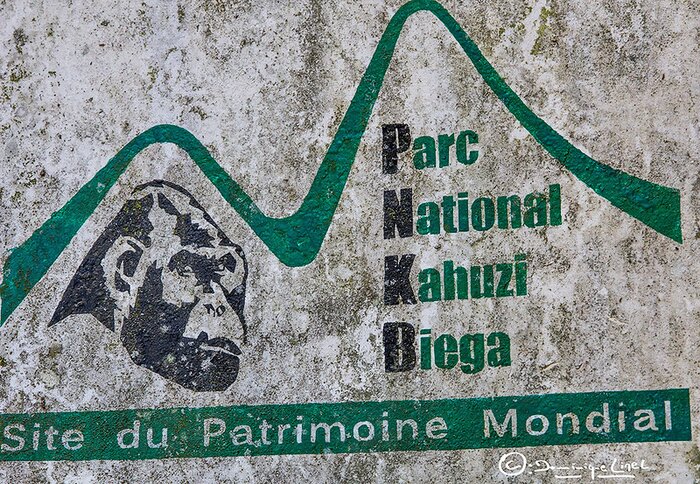
A Congolese court in is on the point of awarding damages to the families of two indigenous Batwa men who were killed by Kahuzi Biega National Park (PNKB) ecoguards in 2019. The five ecoguards, who have already confessed to killing the men concerned, might well be found guilty of homicide: the verdict is being deliberated on by the court in Bukavu, Eastern DRC right now. However, whilst we fully support the verdict of guilty, we were hugely concerned to learn that the prosecutor in the case is demanding the death penalty for two of the five ecoguards.
Although there is provision for the death penalty in the Congolese penal code for some crimes, the country’s Constitution protects the right to life and DRC has ratified international and regional human rights instruments which prohibit the death penalty. In addition to that, a moratorium has been in place for 16 years. But some magistrates and prosecutors, especially in military tribunals, continue to demand and to hand down death sentences. Although it is probable that such sentences will be commuted to life, the fact remains that the death penalty still exists in law and it is possible that, with a change in circumstances, it could be carried out. As a human rights organisation, Forest Peoples Programme is categorically opposed to the death penalty in any circumstance and utterly against the demand for the death sentence in this case.
From our perspective, the fundamental issue here is the model of coercive conservation. It pits inadequately trained and poorly paid people, equipped with lethal weapons, against community members who are criminalised in their efforts to survive and in their struggle to have the injustices against them recognised. The families of the men who were killed deserve compensation and damages to be paid and the park and the five guards concerned need to accept responsibility for their deaths, but no purpose is served by threatening those guards themselves with death.
The only way a solution to the conflict will be reached is by addressing the historical injustice at the core and by ensuring that the human rights of all concerned are recognised and respected. PNKB needs to be willing to face up to the fact that the conservation of Batwa ancestral lands will not succeed without recognising Batwa customary rights to their lands. A call for the death penalty against anybody is completely counterproductive.
The situation around PNKB is increasingly tense. Batwa communities, dispossessed in the 1970s to make way for the national park, have been struggling ever since then. In the first place, the struggle has been simply to survive, as their expulsion has forced them to become squatters or bonded labourers on other people’s land and they have few, if any, sources of livelihood. Secondly, their struggle has been to be recognised as having experienced a historical injustice and as people who can and should care for their ancestral lands.
In recent years, the false dichotomy between conservation, represented by the PNKB management, and the communities who used to live in the lands now occupied by the park, has resulted in violent exchanges, including these deaths. The tit-for-tat of accusations, attacks and reprisals is overshadowing the underlying problem – that Batwa communities were displaced from their ancestral lands without consent and without compensation – and the obvious solution – which is to secure Batwa customary land rights so that they can be sustained by and sustain their lands.
Photo: Dominique Linel
Overview
- Resource Type:
- News
- Publication date:
- 21 December 2020
- Region:
- Democratic Republic of Congo (DRC)
- Programmes:
- Territorial Governance Culture and Knowledge Conservation and Human Rights