

New report shows 90% of indigenous territories in Venezuela remain unrecognised
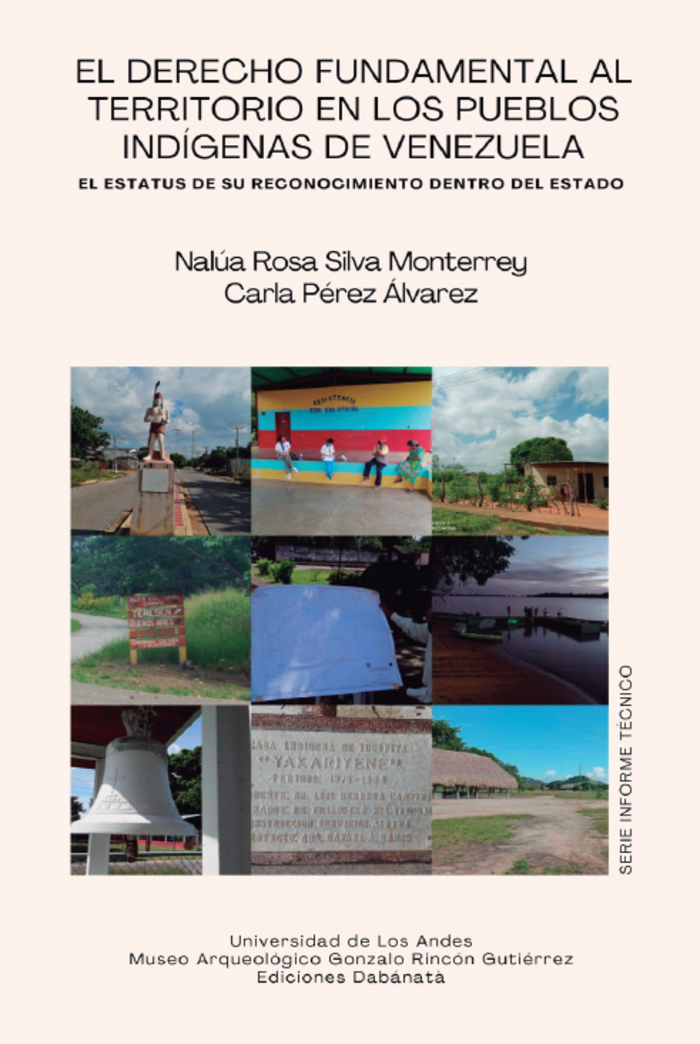
Field investigations in five States of Venezuela - Amazonas, Bolivar, Delta Amacuro, Monagas and Anzoategui – and desk-based reviews of the rest of the country, show that some 90% of indigenous peoples’ territories in the country remain unrecognised by the Government.
Despite a constitutional guarantee to recognise these peoples lands and ‘habitats’ – as indigenous territories are called - and despite the promulgation of laws and procedures to make good on this promise, the researchers found that efforts to recognise these areas have stalled. No indigenous territories have been recognised for over 7 years. Instead, the demarcation commissions, set up to implement this procedure, have been disbanded and resources for supporting indigenous peoples drastically cut.
The authors conclude that this ‘paralysis’ in the Constitutionally-mandated process results from an unexplained political decision by the President not to recognise extensive areas as indigenous ‘habitat’. Yet, according to the study, those few territories that were recognised in the past have not caused any problems or risks to the Venezuelan State but, on the contrary, have contributed to stability, ethnic diversity and cultural richness. In the view of the researchers, the policy decision to deny indigenous peoples their rights to their territories is an infringement of their rights both under the Constitution of the Bolivarian Republic of Venezuela and international human rights laws, which Venezuela has ratified.
These findings come from a detailed publication from the University of the Andes and Ediciones Dabanata by a combined team of a prominent anthropologist and prestigious lawyer, Nalua Rosa Silva Monterrey and Carla Perez Alvarez. The study concludes with a set of recommendations on what needs to be done to rectify this regrettable situation.
Click here to download the report from University of the Andes and Ediciones Dabanata
Overview
- Resource Type:
- News
- Publication date:
- 1 December 2023
- Programmes:
- Territorial Governance Culture and Knowledge Conservation and Human Rights