Komite PBB untuk Penghapusan Diskriminasi Rasial (CERD) Mengungkapkan Keprihatinan Terkait Ancaman Pertambangan Nikel terhadap Suku O’Hongana Manyawa yang Hidup dalam Isolasi Sukarela Forest Peoples…
UN Committee on Racial Discrimination (CERD) Raises Concerns Over Nickel Mining Threats to the O’Hongana Manyawa in Voluntary Isolation Forest Peoples Programme welcomes a formal letter issued by…
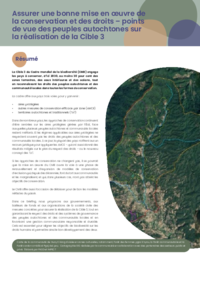
Assurer une bonne mise en œuvre de la conservation et des droits – points de vue des peuples autochtones sur la réalisation de la Cible 3 La Cible 3 du Cadre mondial de la biodiversité (CMB)…
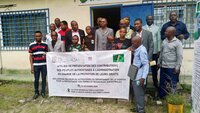
Les peuples autochtones se rassemblent à Brazzaville pour influencer les prochaines étapes de la protection de leurs droits fonciers et d'accès aux ressources. Le 20 décembre 2025, un groupe de…
Garantizar el éxito para la conservación y el respeto de los derechos – perspectivas de los pueblos indígenas sobre la implementación de la Meta 3 La Meta 3 del Marco Mundial de Biodiversidad…
Les droits des peuples autochtones aux terres, territoires et ressources naturelles en République du Congo Dans un contexte marqué par plusieurs réformes juridiques et politiques majeures, la…
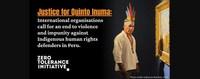
Over 40 International organisations have signed on to a solidarity letter as the trial begins for the murder of Quinto Inuma Alvarado, a respected Kichwa leader and environmental human rights…
Quinto Inuma, a much admired and prominent Kichwa leader of the Santa Rosillo de Yanayacu community, in the San Martin region of the northern Peruvian Amazon, was killed on Nov. 29, 2023, after…