
Honouring Bagyeli midwives safeguarding life and well-being in Cameroon
International Day of the World’s Indigenous Peoples 2026
As we mark the International Day of the World’s Indigenous Peoples on 9 August, this year’s theme, ‘Honouring Indigenous Midwives: Safeguarding Life and Well-being’, shines a light on the women who protect the health, knowledge and future of their communities. In southern Cameroon, Indigenous Bagyeli midwives are strengthening their skills while continuing a tradition of care that has supported families for generations.
For many Indigenous communities, midwives do far more than assist births. They are trusted advisers, guardians of cultural knowledge and a vital link between communities and health services. Their work helps mothers and babies survive pregnancy and childbirth while ensuring that traditional knowledge is passed from one generation to the next.
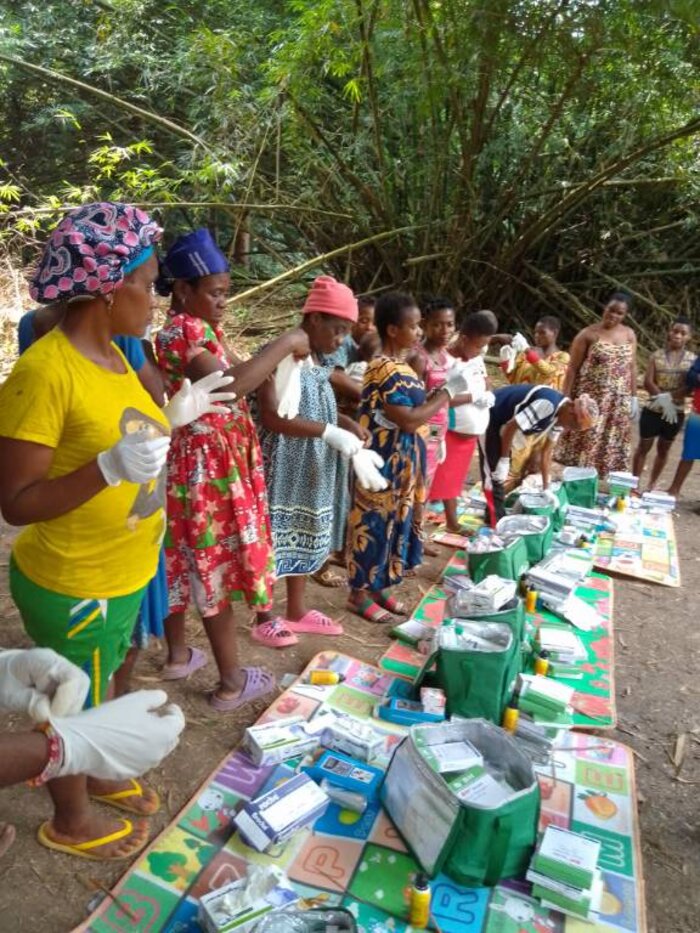
Recognising this important role, the Bagyeli organisation ADEPA delivered midwifery training and medical kits to ten Bagyeli women from communities in the Océan department of South Cameroon. The programme combined theory and practical learning and created space for intergenerational knowledge transfer between experienced traditional birth attendants and younger women.
Participants strengthened their knowledge of pregnancy monitoring and childbirth practices, including the use of partograms to monitor the progress of labour, management of different stages of pregnancy, foetal monitoring, birth and obstetric manoeuvres, and newborn care. The training aims to reduce infant and maternal mortality while supporting Indigenous women to continue providing culturally grounded care within their communities.
The sessions also explored gender-specific challenges and women’s empowerment. ADEPA discussed the importance of vaccination and encouraged participants to help families register births. This message is particularly important for Indigenous children, as a birth certificate is often the key to accessing education, healthcare and other public services from which Baka and Bagyeli communities have historically faced exclusion or marginalisation.
This focus on birth registration builds on wider efforts led by Indigenous organisations in Cameroon. The national Indigenous platform Gbabandi, Bagyeli and Baka community organisations including ADEPA and ARBO, and their allies helped secure birth certificates for 736 Indigenous children across southern and eastern Cameroon in 2025. For these children, legal identity provides recognition by the state and opens pathways to education, healthcare, social protection and, later in life, participation in civic and economic life.
On this International Day of the World’s Indigenous Peoples, a delegation of Bagyeli women will be gathering at a regional assembly in the Republic of Congo to determine shared priorities of Indigenous women from Congo and Cameroon which they will set out in a regional action plan.
Together, all these initiatives demonstrate how Indigenous-led action can improve health, strengthen rights and build community resilience. By supporting Indigenous midwives with new skills and practical resources, while also helping families secure legal identity for their children, community organisations are addressing both immediate health needs and the long-term wellbeing of future generations.
The experience of Bagyeli midwives reminds us that safeguarding life and wellbeing means investing in Indigenous women, respecting Indigenous knowledge and ensuring that every child has both a safe start in life and recognition of their rights.
Photo credit: Ana Maria Manzo’o
Aperçu
- Type de ressource:
- News
- Date de publication:
- 7 août 2026
- Région:
- Cameroun République du Congo
- Programmes:
- Culture et savoirs
