

Kichwa women from the Amazon gather to strengthen their rights, territories and Indigenous economy
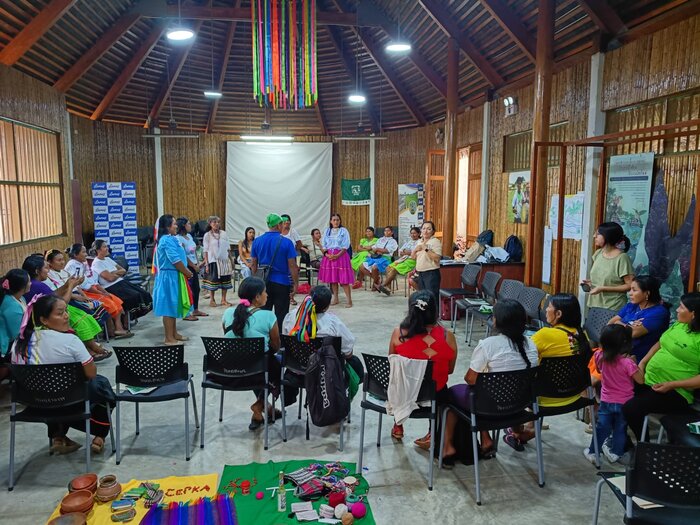
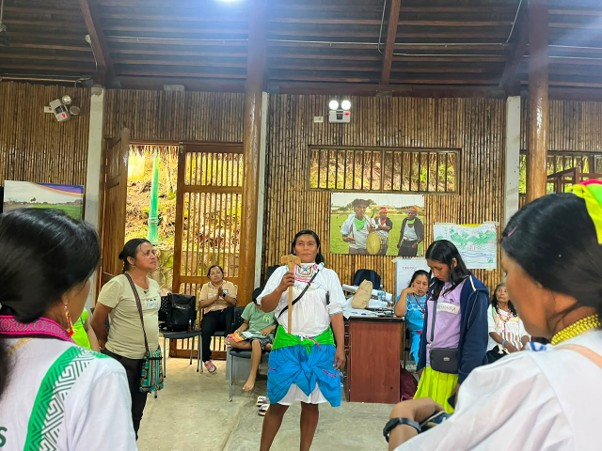
On 2 and 3 May, the Ethnic Council of the Kichwa Peoples of the Amazon (CEPKA) held the Women’s Meeting “Weaving the Future: Rights, Forests and the Indigenous Economy”, attended by thirty women leaders from their native communities at the Waska Waska Centre in Wayku, Lamas, Peru.
Over two intensive days, the participants took part in workshops on Indigenous economy, territory and women’s rights, using a participatory and intercultural methodology that valued the knowledge and experiences of the Amazonian Kichwa peoples.
The meeting was opened by the CEPKA board of directors. In his opening address, the organisation’s president highlighted the value of this space for the women of their communities:
This is an opportunity for you, sisters, to continue strengthening yourselves and your communities.” he said, emphasising the organisation’s commitment to Indigenous women’s leadership.
The participants’ voices resonated strongly throughout the event.
We are already empowered women.” said one of the attendees, reflecting the spirit of autonomy and agency that guided the entire meeting.
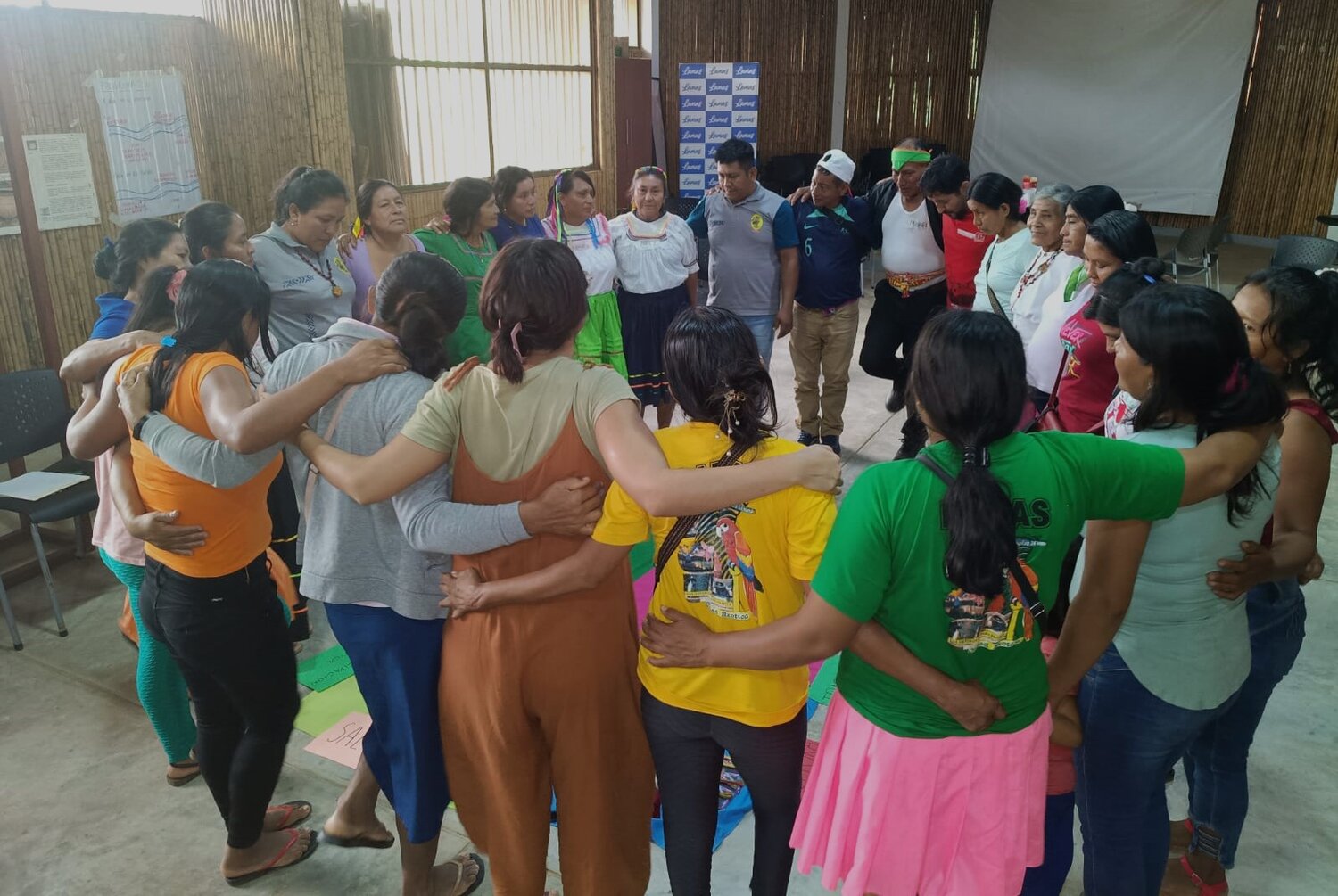
The Inter-Ethnic Association for the Development of the Peruvian Rainforest (AIDESEP) was represented by Nelsith Sangama, a member of its board of directors, and Sheyla Sotero, from the technical team. Both contributed insights on collective rights, climate change and the relationship between Indigenous women, forests and biodiversity.
The commitment to passing on knowledge to the grassroots was clearly expressed in the words of another participant:
What we want is to spread this knowledge and ensure that every woman in our grassroots communities is involved.”
The workshop also addressed the rights of Indigenous women in the face of community machismo, the Kichwa Protocol for addressing violence against women, and opportunities for entrepreneurship rooted in cultural identity. The meeting concluded with a commitment from the women leaders to replicate these lessons in their own communities.
Aperçu
- Type de ressource:
- News
- Date de publication:
- 11 juin 2026
- Région:
- Pérou
- Programmes:
- Culture et savoirs Actions des partenaires
- Partenaires:
- Consejo Étnico de los Pueblos Kichwa de la Amazonia (CEPKA) Asociación Interétnica de Desarrollo de la Selva Peruana (AIDESEP)
