
Building resilience and forging alliances for territorial defence: Sharing knowledges between First Nations of Turtle Island (Canada) and Amazonian Territorial Defenders
New report by ASOMI, ADISPA and FPP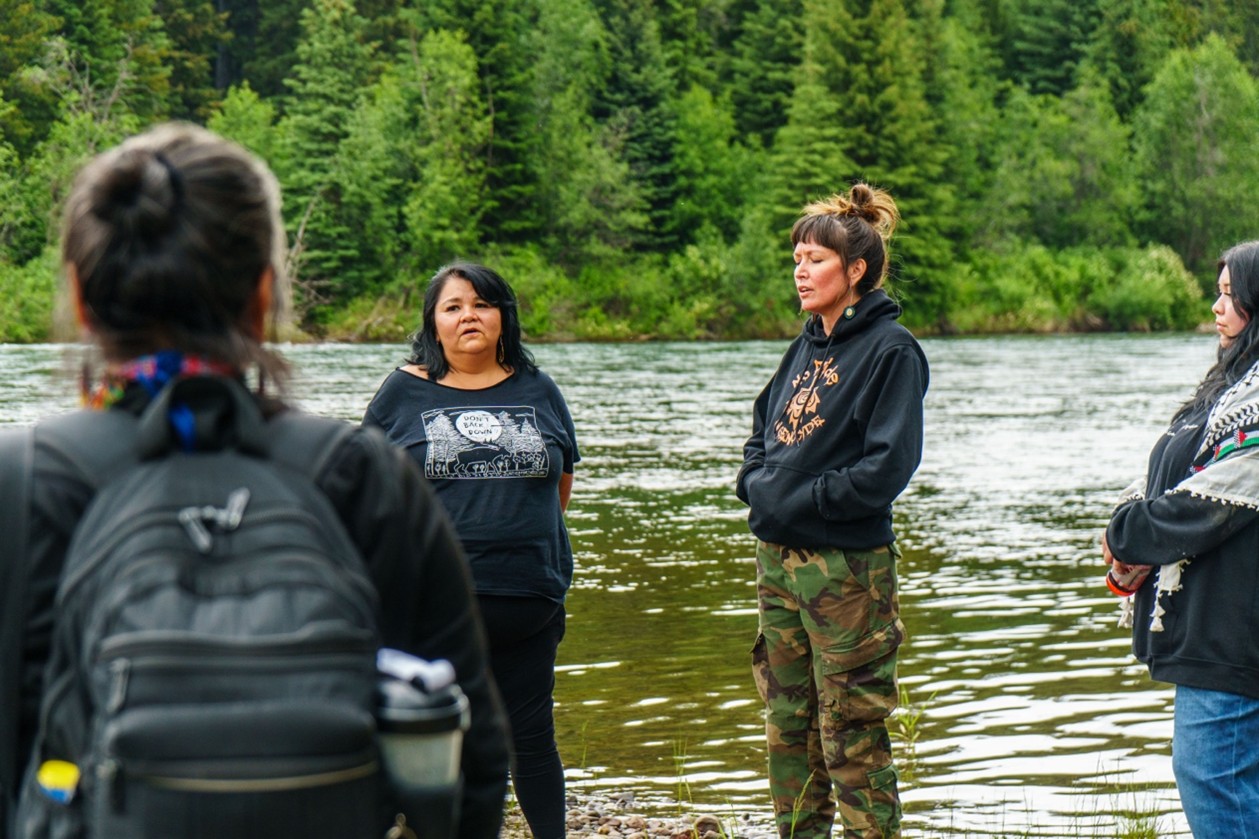
New report by ASOMI, ADISPA and FPP.
Co-authored by Viviane Weitzner, Jani Silva and Waira Nina
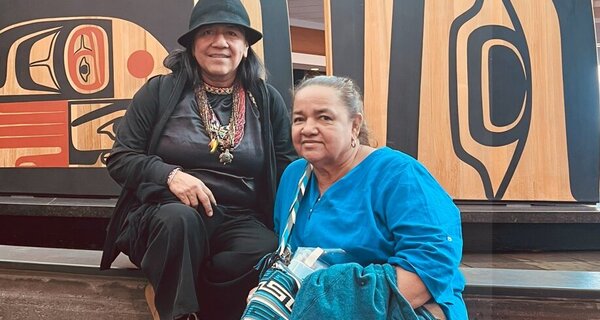
In June 2025, two women territorial defenders from the Putumayo region of the Upper Amazon of Colombia travelled to (so-called) British Columbia to undertake a tour of the Indigenous territories of the Haida, Wet'suwet’en, Gitxsan, and Gitanyow First Nations on Turtle Island (Canada). The purpose of the trip centred on sharing experiences and Indigenous strategies of resilience in the face of expanding, top-down extractive economies affecting ancestral and traditional territories in both countries.
Bringing together territorial defenders from the Colombian Amazon with members of the Haida, Wet'suwet’en, Gitxsan, and Gitanyow Nations, the tour dialogues and cultural exchanges addressed urgent threats posed by extractive industries operating on Indigenous and campesino (peasant) lands. The Colombian leaders shared information on Canadian companies, including Alberta’s Gran Tierra Energy and British Columbia’s Copper Giant Resources, which are currently exploring and exploiting hydrocarbons and mineral resources in some of the world’s most biodiverse and sacred territories, causing severe social, environmental, and cultural harm.
During the exchange visit, the Colombian woman leaders highlighted how extractive investments and mega-plans for the development of transition minerals pose major and irreversible risks to the headwaters of the Putumayo River basin. This planned extractive development risks damaging above and below ground water resources and creating adverse impacts on cultural sites and biodiversity. They shared the concerns of affected peoples in Colombia that, cumulatively, these imposed and unaccountable investments and extractive projects, many financed by Canadian banks and investors, threaten to undermine the physical, cultural and spiritual integrity the collective ancestral domains of the Inga, Kamëntsá, Siona, Secoya Peoples, as well as the communal lands of small farmer peasant communities.
During their tour, the Colombian delegation not only sought to raise awareness and demand accountability, they also travelled to Turtle Island to build solidarity, weave new alliances across peoples and nations; and exchange indigenous and local strategies for defending their territories and rights amid escalating violence and environmental destruction.
Set against a backdrop of political turmoil in British Columbia, where governments fast-tracked legislation undermining Indigenous consent and environmental protections, the tour - also enabled and assisted by PBI Canada; PBI Colombia; the Public Service Alliance of Canada, Mining Watch Canada and Amnesty International Canada - became a vital space for knowledge-sharing and alliance-building. Participants exchanged deeply rooted understandings of land as a living, relational entity intertwined with spiritual responsibilities, contrasting sharply with colonial extractive paradigms. They shared both cultural revitalisation efforts and practical strategies, from strengthening Indigenous governance and youth engagement to frontline and international advocacy.
This initial gathering laid the foundation for ongoing collaboration, including reciprocal visits, youth exchanges, and co-created advocacy plans, embodying a powerful, cross-continental movement to protect Territories of Life and uphold Indigenous sovereignty in the face of extractive threats.
The intercultural exchange report, titled "We are all connected" Forging Peace and Unity between Extractives-Affected Peoples from Colombia to Turtle Island (Canada) is available here.
Aperçu
- Type de ressource:
- Reports
- Date de publication:
- 26 février 2026
- Région:
- Colombie
- Programmes:
- Culture et savoirs
- Partenaires:
- Association of Indigenous Chagra Women for Life - ASOMI
Actualités connexes